


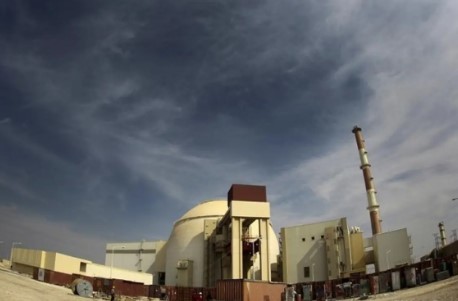
The International Atomic Energy Agency (IAEA) has confirmed that a projectile struck the premises of Iran’s Bushehr nuclear power plant on Tuesday evening, March 17, 2026, marking a perilous new phase in the ongoing conflict between Iran, Israel, and the United States. According to official reports from both Tehran and the Russian state-run agency Rosatom, the impact occurred near the meteorological service building, in close proximity to the plant’s primary operating power unit. Despite the chilling proximity of the strike to the reactor, the Atomic Energy Organization of Iran (AEOI) issued an immediate statement confirming that no technical or structural damage was sustained, and no injuries were reported among the staff or the hundreds of Russian technicians stationed at the site. IAEA Director General Rafael Grossi has since issued an urgent plea for “maximum restraint,” warning that even a “near-miss” involving active nuclear infrastructure carries the catastrophic potential for a radiological disaster that would affect the entire Persian Gulf region.
While the specific nature of the projectile remains unconfirmed, the incident has significantly heightened global anxiety, as the Bushehr facility had previously been untouched during earlier rounds of hostilities. Russia’s Rosatom CEO, Alexey Likhachev, noted that while radiation levels at the site remain normal, preparations are underway for another round of evacuations for Russian personnel as the safety of the facility becomes increasingly uncertain. The strike occurred against a backdrop of intensified military activity, including U.S. and Israeli operations targeting missile sites and Iranian retaliatory strikes across the Middle East. Analysts suggest that the targeting of the Bushehr perimeter—whether intentional or the result of intercepted shrapnel—serves as a stark reminder of the fragile boundary between conventional warfare and a nuclear emergency. As the international community monitors the site for any signs of environmental fallout, the event has added a massive “risk premium” to global energy markets and placed renewed pressure on diplomatic channels to establish “no-strike zones” around critical nuclear assets before a miscalculation leads to an irreversible crisis.


+ There are no comments
Add yours